Introduction
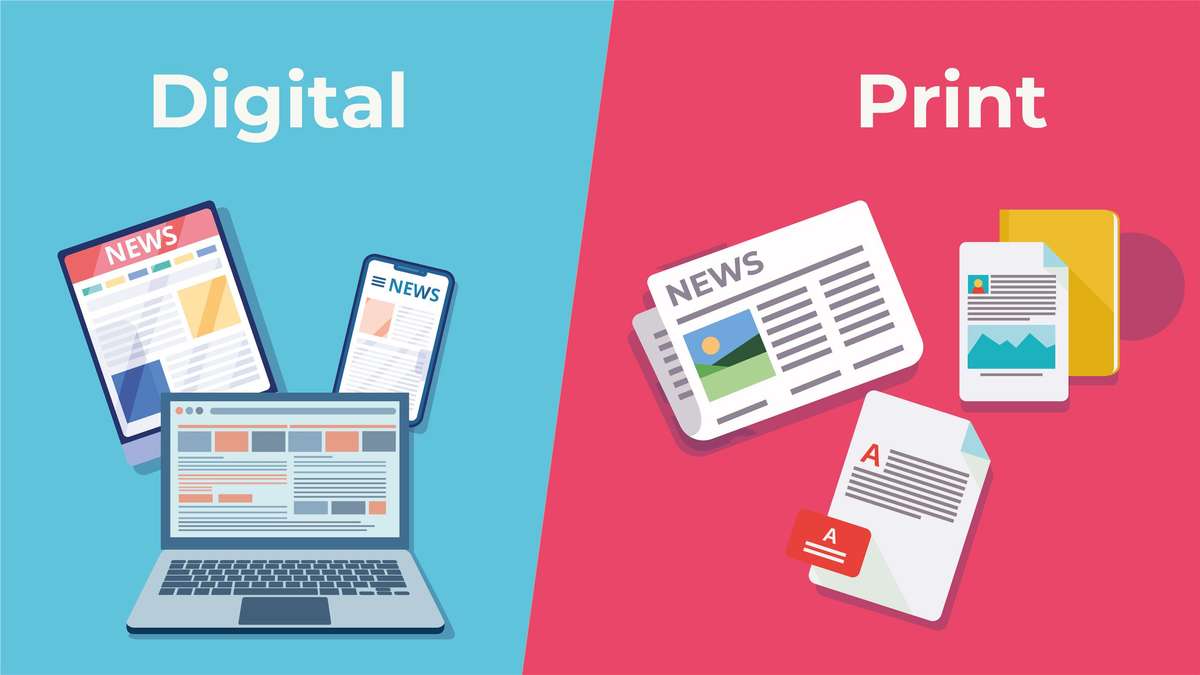
The publishing world has transformed dramatically over the past two decades. With the rise of digital platforms, authors and publishers now face an important question: Should they prioritize online publishing or traditional print publishing? Both formats offer unique advantages, and understanding them helps publishers make informed decisions.
Advantages of Online Publishing
1. Global Reach
Digital publications can be accessed instantly from anywhere in the world, making them ideal for academic and scientific dissemination.
2. Cost‑Effective
Online publishing eliminates printing, storage, and distribution costs, making it more affordable for both publishers and readers.
3. Faster Publication Cycle
Articles and books can be published within days, supporting rapid scientific communication.
4. Searchability & Accessibility
Digital content can be indexed, searched, cited, and archived easily.
Advantages of Print Publishing
1. Tangibility
Printed books and journals offer a physical experience that many readers still value.
2. Credibility & Prestige
In many academic communities, print journals are still perceived as more authoritative.
3. Long‑Term Preservation
Printed materials can last for decades without relying on digital storage systems.
Which One Is Better?
Neither format is superior in all contexts. Hybrid publishing, where journals are available both online and in print, is becoming the preferred model for modern publishers — including InkVista.
Conclusion
Online publishing leads in speed, accessibility, and cost, while print publishing maintains prestige and permanence. The future belongs to publishers who embrace both.