Introduction
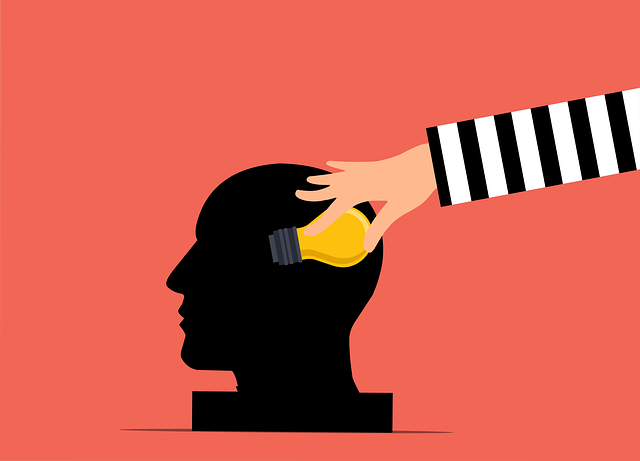
Plagiarism is one of the most serious ethical violations in academic publishing. It undermines trust, damages reputations, and compromises the integrity of scientific research.
What Is Plagiarism?
Plagiarism occurs when an author presents someone else’s ideas, words, or data as their own without proper acknowledgment. It includes:
- Copy‑paste plagiarism
- Self‑plagiarism
- Mosaic plagiarism
- Data plagiarism
- Image manipulation
Why Plagiarism Happens
Common reasons include:
- Pressure to publish
- Lack of awareness about citation rules
- Poor research practices
- Intentional misconduct
How Publishers Detect Plagiarism
Modern publishers use tools such as:
- Turnitin
- iThenticate
- Grammarly Plagiarism Checker
These tools compare manuscripts against millions of sources.
Consequences of Plagiarism
- Manuscript rejection
- Retraction of published articles
- Damage to academic reputation
- Institutional penalties
Preventing Plagiarism
Authors should:
- Cite all sources properly
- Use plagiarism detection tools before submission
- Paraphrase responsibly
- Maintain transparent research practices
Conclusion
Plagiarism threatens the credibility of scientific publishing. Publishers like InkVista must enforce strict ethical standards to protect the integrity of academic work.