Introduction
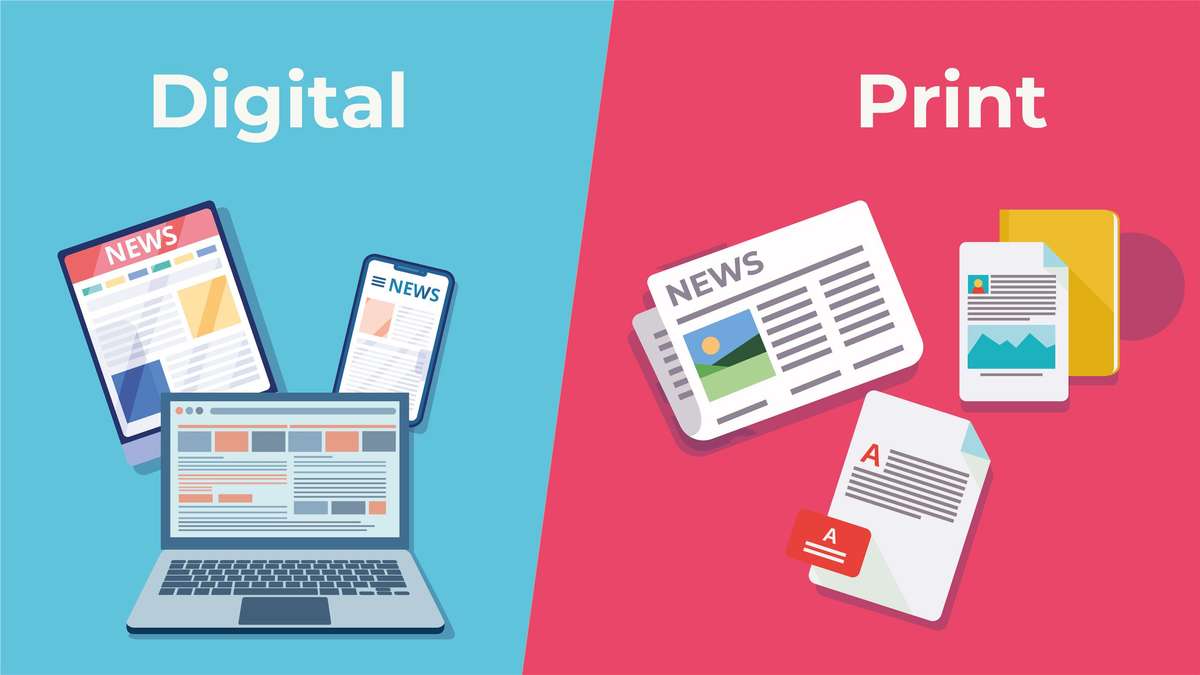
XML (Extensible Markup Language) has become a cornerstone of modern digital publishing. It enables structured, machine‑readable content that can be easily transformed into multiple formats.
Why XML Matters
1. Standardization
XML ensures consistent formatting across platforms, making it ideal for journals and academic databases.
2. Multi‑Format Output
From a single XML file, publishers can generate:
- HTML
- EPUB
- Mobile‑friendly versions
3. Improved Indexing
Search engines and indexing services (like Scopus and DOAJ) prefer structured XML content.
4. Long‑Term Preservation
XML files are stable, future‑proof, and easy to archive.
XML in Scientific Publishing
Many international publishers use XML workflows such as:
- JATS XML (Journal Article Tag Suite)
- NLM XML
- Crossref XML for DOI registration
These standards ensure compatibility with global indexing systems.
Benefits for Publishers
- Faster production
- Reduced errors
- Better accessibility
- Enhanced discoverability
Conclusion
XML is not just a technical tool — it is a strategic asset for modern publishers. InkVista can leverage XML workflows to improve quality, visibility, and efficiency.